Menu
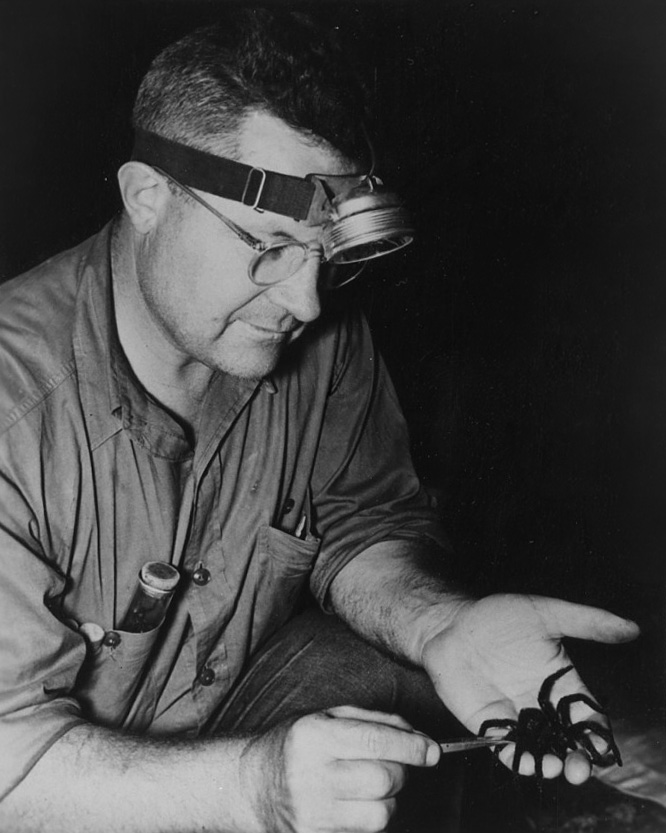
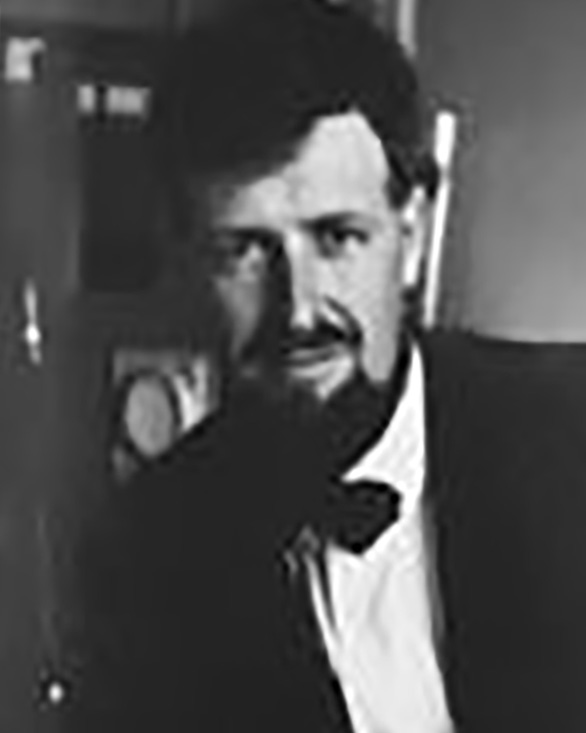
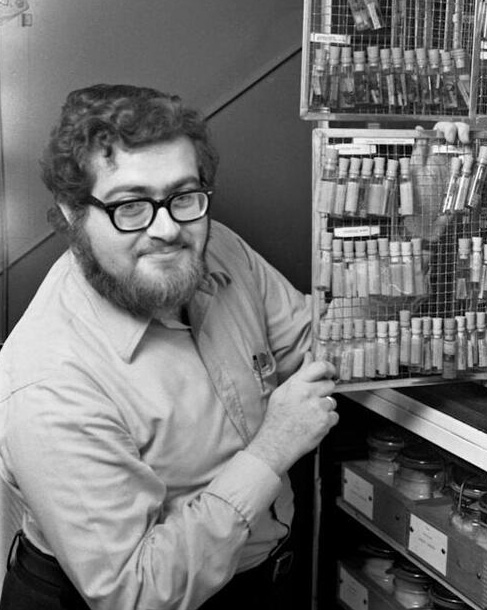
Arachnology at the AMNH spans nearly a century. It began with Willis J. Gertsch, the first Curator of Arachnida, who served for 36 years, from his appointment in 1933 until his retirement in 1968. Gertsch was briefly succeeded by John L. Cooke, from 1969 to 1972, who was in turn succeeded by Norman I. Platnick, Curator of Arachnida from 1973 until his retirement, 41 years later, in 2014. From 2002 onwards, when Lorenzo Prendini was appointed Curator of non-spider arachnids and myriapods, Platnick curated the collections of Araneae (spiders) and Ricinulei (hooded tick-spiders). Prendini assumed responsibility for all Arachnida and Myriapoda after Platnick’s retirement.
Horseshoe crabs
Sea spiders
Queries regarding visits to the collections, loan requests, and/or specimen donations should be addressed to Lorenzo Prendini, Curator of Arachnida and Myriapoda, and Pío Colmenares, Museum Specialist responsible for management of the collections, processing loan requests, and assisting visitors.
See Collections for more information.